Call Her Daddy and the cofounder split: what business partners should put in writing
Written by Brooke Ash, lawyer at For Founders Law.
In short
Alex Cooper and Sofia Franklyn launched Call Her Daddy in 2018 under a Barstool Sports contract that gave Barstool the show's intellectual property. When contract talks broke down in 2020, Franklyn left and Cooper stayed, later owning the show outright. Franklyn's memoir, Daddy Issues, published November 10, 2026, gives her side of the split. For Canadian cofounders, the lesson is to settle three things in writing at the start: who owns the brand and IP, who controls shared accounts, and what happens when a founder leaves.
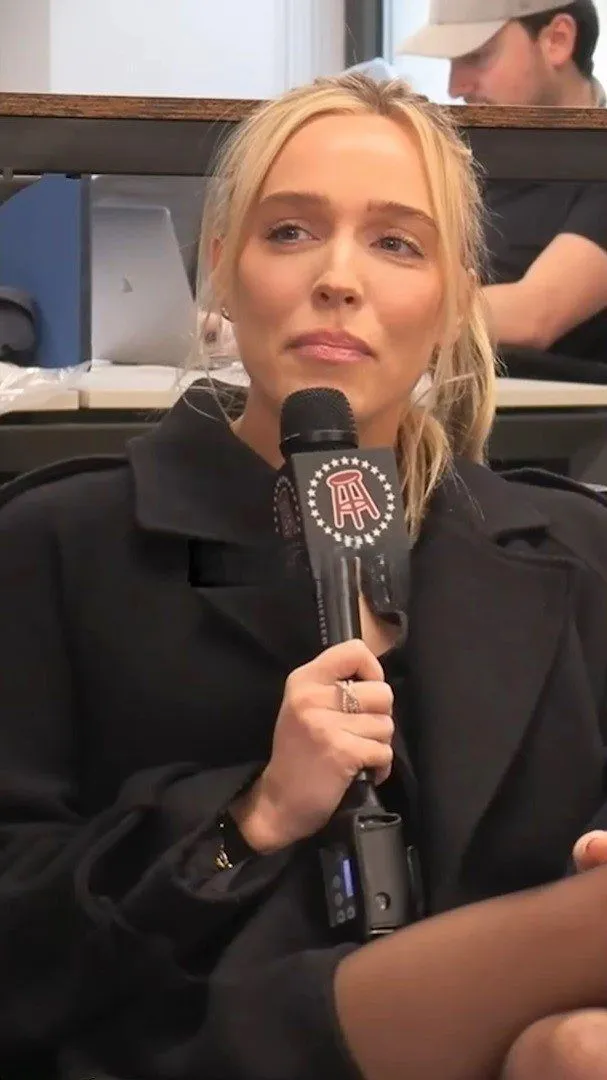
Two people built Call Her Daddy. One of them kept it. Alex Cooper and Sofia Franklyn launched the podcast in 2018, and by 2021 Cooper was hosting it alone and owned it outright. This month, Franklyn’s memoir, Daddy Issues, put the split back in the news.
This post is news commentary and general information about Canadian law, not legal advice. We have no connection to anyone involved, and where something is one person’s account, we say so.
What happened
| Year | What happened |
|---|---|
| 2018 | Cooper and Franklyn launch the show under a contract with Barstool Sports. Barstool owns the show’s intellectual property, including the name. |
| 2020 | The hosts try to renegotiate with Barstool. Talks break down, Cooper stays and Franklyn leaves. |
| 2021 | Cooper comes out of the renegotiation owning the show and signs an exclusive deal with Spotify. |
| 2026 | Franklyn’s memoir, Daddy Issues, is published on November 10 with her account of the split. |
In the memoir, Franklyn says she was locked out of the shared social media accounts after she left. That’s her account. The coverage we reviewed didn’t include a response from Cooper’s representatives.
Why does this matter to two founders starting a company?
Most cofounders never picture the split. They start as friends or close collaborators, split everything evenly in a text message, and assume they’ll work out the rest. The Call Her Daddy story shows how much turns on three questions that are easy to answer on day one and very hard to answer in the middle of a dispute.
Who owns the name and the IP?
At first, neither host did. Barstool owned the show’s intellectual property, so when the partnership came apart, the question was who would end up with it.
For a Canadian company, the clean answer is that the company owns the name, the trademark, the content and the code, and each founder signs an agreement assigning their work to it. Without that, IP a founder created can stay with that founder, even if everyone assumed it belonged to the business. See who owns the IP that founders and employees create and how to register a trademark in Canada.
Who controls the accounts?
Instagram, TikTok, YouTube, the domain and the email list are often the most valuable thing a young brand has, and they’re usually opened by whichever founder set them up, on a personal email or phone number. Put the accounts in the company’s name, give at least two people admin access, and write down in your agreement that they belong to the company.
What happens when a founder leaves?
This is the clause most cofounder agreements are missing. A shareholder agreement can set out:
- Vesting, so shares are earned over time and a founder who leaves early doesn’t keep a full half of the company. See what happens when a cofounder leaves without vesting.
- A buyout process, including how the shares are valued and how the payment is made.
- Who keeps what, including the brand, the accounts and the client relationships.
- How decisions are made, and how a 50/50 tie gets broken.
- Confidentiality and non-solicitation, within the limits Ontario law allows.
In Ontario, if all shareholders sign an agreement that restricts the directors’ powers, it can be a unanimous shareholder agreement under section 108 of the Business Corporations Act, which changes who is responsible for the decisions it covers. That’s worth knowing before you sign one.
What should cofounders do now?
- Incorporate and put the brand, IP and accounts in the company’s name.
- Sign IP assignments for everything each founder has already built.
- Agree on vesting and a buyout process before anyone wants to leave.
- Revisit the agreement when you bring on a new partner, investor or major deal.
We prepare cofounder agreements, including shareholder agreements, founder vesting and IP assignments, at fixed fees. To talk through yours, book a free 15-minute consult.
Sources
- NBC News: We read Sofia Franklyn's memoir about her falling-out with Alex Cooper (November 2026)
- Rolling Stone: Sofia Franklyn memoir Daddy Issues, the biggest bombshells
- Fortune: Alex Cooper interview on the Call Her Daddy Spotify deal
- Axios: Spotify inks exclusive deal with Call Her Daddy (June 15, 2021)
- Business Corporations Act (Ontario), s. 108 (unanimous shareholder agreements)
How we can help
- Shareholder AgreementWho decides what, and what happens if a founder leaves. From $1,320
- Founder Vesting and IP AssignmentFounders earn their shares, and the company owns the work. From $920
Fixed fees. Government filing fees are extra.