Insights. What changed, and what it means.
New rules and how to handle them, in plain language, for founders, clinics and creators. General information, not legal advice.
In the news. What it means for you.
Real cases, read for founders and creators. Photos are credited on each post and used as news commentary; no one shown is affiliated with or endorses us.
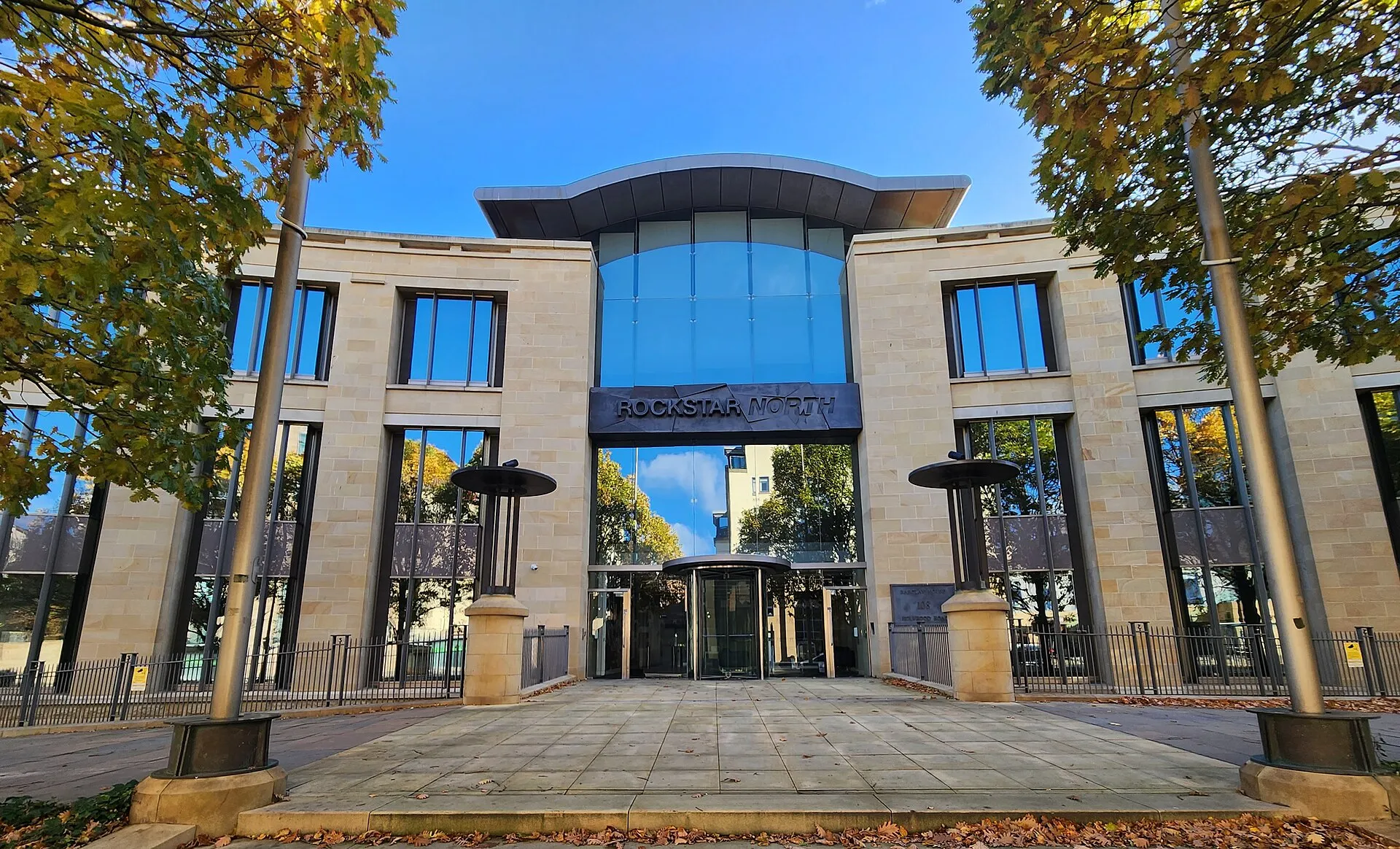 GTA 6 is coming: what Canadian creators, brands and roleplay servers can and can’t do Grand Theft Auto VI is scheduled for November 19, 2026. Rockstar's video policy tolerates non-commercial fan content, but it defines non-commercial as not making money from the footage, so monetized and sponsored videos rely on Rockstar's tolerance rather than a licence. Brands can talk about the launch but shouldn't use Rockstar's logos, art or name in a way that suggests endorsement, giveaways must follow Canada's contest rules, and paid roleplay servers on Rockstar's platform must follow its Creator Platform License Agreement, which bans selling in-game currency, loot boxes, brand-sponsored servers and crypto. Photo: Discott, CC0
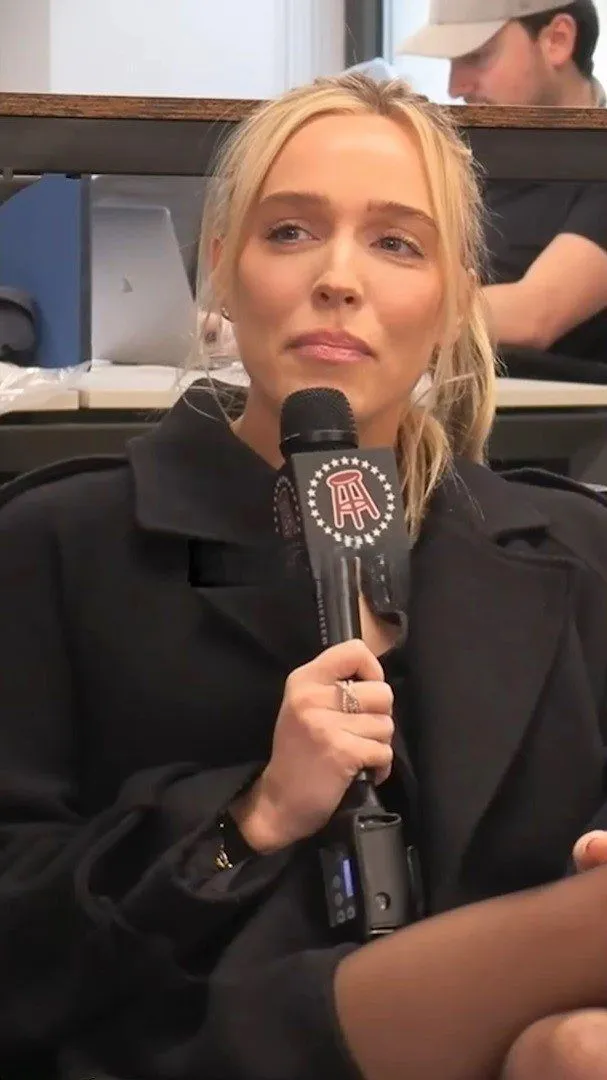 Call Her Daddy and the cofounder split: what business partners should put in writing Alex Cooper and Sofia Franklyn launched Call Her Daddy in 2018 under a Barstool Sports contract that gave Barstool the show's intellectual property. When contract talks broke down in 2020, Franklyn left and Cooper stayed, later owning the show outright. Franklyn's memoir, Daddy Issues, published November 10, 2026, gives her side of the split. For Canadian cofounders, the lesson is to settle three things in writing at the start: who owns the brand and IP, who controls shared accounts, and what happens when a founder leaves. Photo: Barstool Radio Clips, CC BY 3.0
 Black Friday and holiday sales in Canada: drip pricing, 'was/now' prices, countdown timers and refund terms Holiday promotions in Canada are governed by the Competition Act's misleading advertising rules. The three common traps for SaaS and e-commerce companies are advertising a price that mandatory fees make unattainable (drip pricing), 'regular price' comparisons your sales history can't support, and countdown timers or stock warnings that aren't true. Penalties for companies can reach millions of dollars, and since June 2025 competitors can also bring cases. In Ontario, online stores also have to show their cancellation, return and refund terms before the customer agrees to buy. Photo: Dillan Payne, CC BY-SA 4.0
 Commissioning UGC for your app or brand: usage grids, whitelisting and AI edits When a brand or app pays a creator for user-generated-style content, it's buying a service and permission to use the result, and in Canada an assignment of copyright, or a licence granting an interest in it, is only valid in writing and signed. A UGC agreement should set out the channels, term and territory in a usage grid, treat whitelisted ads through the creator's account as a separate right, and list which edits are allowed, including AI resizing, dubbing and anything that changes what the creator appears to say. Photo: Harald Krichel, CC BY-SA 4.0
 Who owns AI-generated content in Canada? Copyright for creators and startups Canada's Copyright Act protects original works by human authors automatically, but it doesn't say whether output generated by AI is protected, and no Canadian court has decided it. Content where a person makes meaningful creative choices stands on firmer ground than raw output from a prompt. Until the law settles, contracts, AI tool terms, records of how work was made and registered trademarks do most of the protecting. Photo: MerleEllaPatsy, CC0
 TikTok Shop and Canada in 2026: where things stand and what sellers can do now TikTok Shop's in-app checkout isn't available in Canada, and TikTok hasn't announced a Canadian launch. The federal order to wind up TikTok's Canadian business was set aside in January 2026, and in March 2026 the government allowed the business to continue under binding undertakings. Brands, creators and social commerce software companies selling through TikTok today are already subject to the advertising, disclosure, anti-spam and privacy rules that would apply inside TikTok Shop. Photo: Solen Feyissa, CC BY-SA 2.0
 Taylor Swift’s “Showgirl” trademark hit an initial refusal. What Canadian brands can learn from it Taylor Swift's company applied to register "The Life of a Showgirl" as a U.S. trademark, and the U.S. Patent and Trademark Office issued an initial refusal, citing a Las Vegas performer's 2015 registration for "Confessions of a Showgirl". The performer has since sued in California federal court, and Swift's lawyers call the claims absurd; nothing has been decided. In Canada, an earlier registered or applied-for mark, or a similar name someone used first, can also block an application or lead to an opposition, which is why brands should search the register before committing to a name and file before they launch. Photo: JazzHandsIncarnate, CC BY-SA 4.0
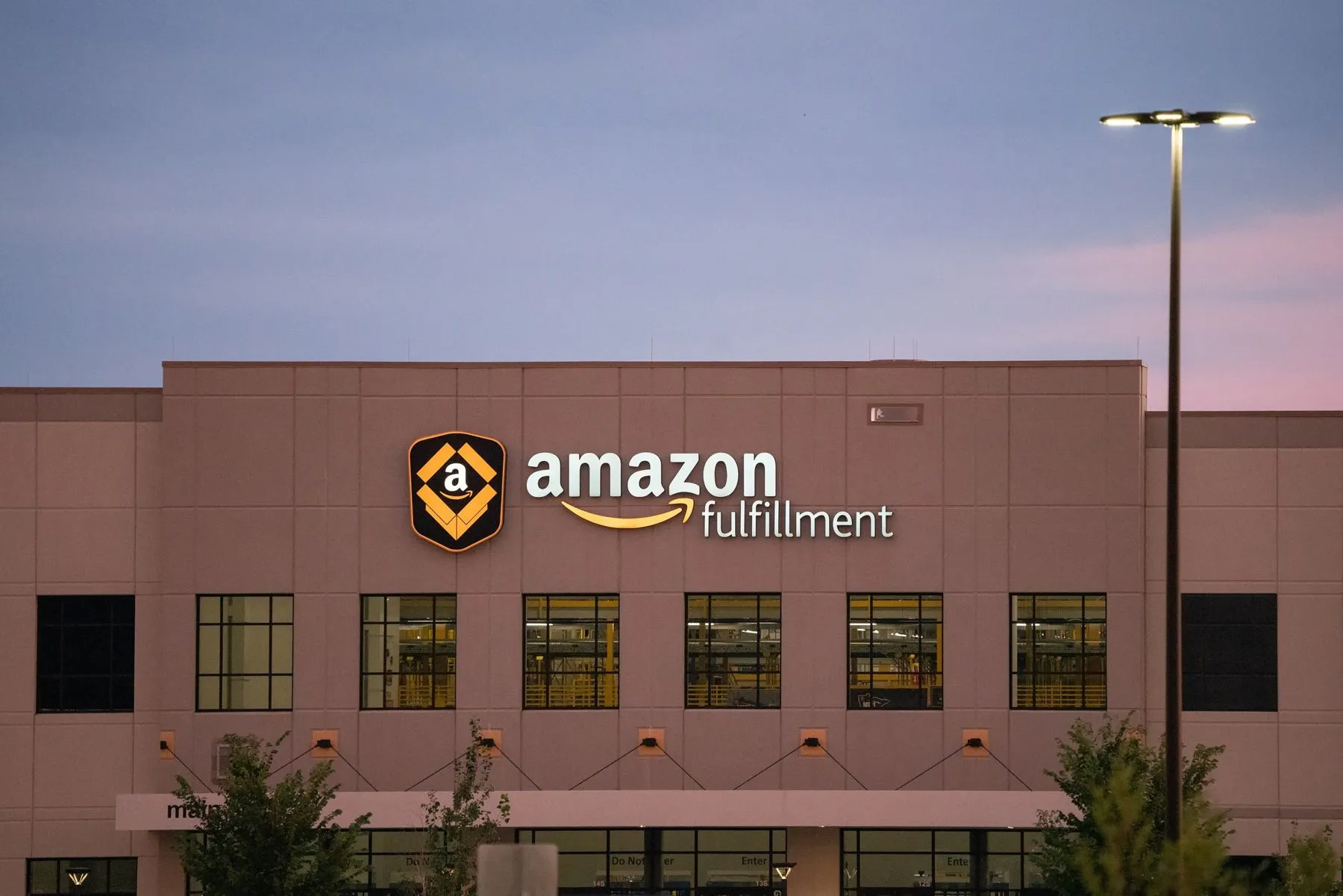 Amazon vs TikTok Shop for Canadian sellers: which you can use in 2026, and the legal rules for each As of November 2026, a Canadian business can sell on Amazon.ca but can't open a TikTok Shop for Canadian buyers, because TikTok Shop hasn't launched in Canada. Most Canadian brands use Amazon for sales and TikTok for content that links to their own store or Amazon listing. Either way, the Competition Act, influencer disclosure rules, CASL, privacy law, product labelling rules and the CRA's platform reporting rules apply to what you sell and how you promote it. Photo: Tony Webster, CC BY 2.0
All posts
- The holiday legal checklist for Ontario businesses (2026) Starting up · 5 min read
- Taylor Swift’s “Showgirl” trademark hit an initial refusal. What Canadian brands can learn from it Creative · 2 min read
- Your first hire in Ontario: what has to be in writing Hiring · 4 min read
- Amazon vs TikTok Shop for Canadian sellers: which you can use in 2026, and the legal rules for each Creative · 5 min read
- Should your Canadian startup flip to Delaware? Questions to answer first Raising · 4 min read
- Creators and brands: who owns the content you make together? Creative · 3 min read
- Can a clinic use an AI scribe? Consent, vendors and PHIPA in Ontario Health and wellness · 3 min read
- SAFE or convertible note? Choosing a pre-seed instrument in Canada Raising · 3 min read
- What investors look for in a seed data room: a checklist for Canadian startups Raising · 3 min read
- Selling through Instagram, TikTok and creator storefronts from Canada: the legal basics Creative · 4 min read
- Ontario’s non-compete ban: what founders can still put in an employment agreement Hiring · 3 min read
- GTA 6 is coming: what Canadian creators, brands and roleplay servers can and can’t do Creative · 7 min read
- When your startup is accused online: a legal playbook for Canadian founders Privacy · 4 min read
- What generative AI can and can’t do for founders’ legal documents AI and SaaS · 3 min read
- AI training data and web scraping in Canada: what the OpenAI and Reddit cases mean for founders AI and SaaS · 3 min read
- Dynamic and algorithmic pricing in Canada: what founders should know before letting AI set prices AI and SaaS · 2 min read
- Meta Ray-Ban smart glasses and privacy: what Canadian AI and wearable founders should know Privacy · 3 min read
- Subscription and cancellation laws in Canada: what SaaS and app founders need to know AI and SaaS · 3 min read
- Bill C-34, the Safe Social Media Act: what it would mean for social and AI chatbot startups AI and SaaS · 3 min read
- Legal help for AI and SaaS startups, stage by stage: what to do yourself and what to hand off Starting up · 4 min read
- Black Friday and holiday sales in Canada: drip pricing, 'was/now' prices, countdown timers and refund terms AI and SaaS · 5 min read
- Paying influencers in equity: what Canadian startups should paper before anyone posts Creative · 3 min read
- Commissioning UGC for your app or brand: usage grids, whitelisting and AI edits Creative · 5 min read
- Reading an influencer agreement clause by clause: a checklist for Canadian creators Creative · 4 min read
- Is AI regulated in Canada? What startups need to know in 2026, including the EU AI Act AI and SaaS · 4 min read
- Payment terms, late fees and auto-renewal in B2B SaaS contracts AI and SaaS · 4 min read
- Who owns AI-generated content in Canada? Copyright for creators and startups IP · 4 min read
- Social media, influencers and online booking for clinics and med spas in Ontario Health and wellness · 3 min read
- Can your SaaS use customer data to train its AI models? AI and SaaS · 4 min read
- Canada’s privacy law in 2026: Bill C-27 is gone, Bill C-36 is new, and PIPEDA still applies Privacy · 3 min read
- When an influencer post breaks the rules, who’s responsible? Brands, agencies and creator platforms Creative · 4 min read
- Employee stock options in Canada: how startup equity works for your team Hiring · 5 min read
- Naming your startup after yourself: who owns your name as a brand? IP · 3 min read
- Running a giveaway or contest in Canada: rules for brands, apps and creators Creative · 4 min read
- Open-source licences in AI products: code, model weights and datasets AI and SaaS · 3 min read
- Signing with a talent agency or manager: what Canadian creators should check first Creative · 3 min read
- Quebec’s Law 25 for SaaS and app startups with Quebec users Privacy · 4 min read
- Trademarking your app or SaaS name in Canada: search, classes and timing IP · 4 min read
- TikTok Shop and Canada in 2026: where things stand and what sellers can do now Creative · 5 min read
- Ontario’s new job posting rules: pay ranges, AI disclosure and what startups must change Hiring · 4 min read
Founder guides. One question each.
Search all 160 guidesStarting up36
- Are directors personally liable for company debts in Ontario?
- Business name registration vs trademark: does registering my business name protect it?
- Can a corporation have only one director?
- Can a non-resident be a director of an Ontario company?
Raising20
- Can I raise money from friends and family in Ontario?
- How do SAFEs work in Canada?
- SAFE vs convertible note: what’s the difference in Canada?
- What are preferred shares in a startup?
IP9
- Do I need to register copyright in Canada?
- Does my company own what its employees create?
- How do I protect trade secrets in Canada?
- How do I register a trademark in Canada?
AI and SaaS31
- Are clickwrap agreements enforceable in Canada?
- Are electronic signatures legally binding in Ontario?
- Can I put customer logos on my website?
- Can we say our product is “AI-powered”?
Privacy20
- Can I store Canadian customer data in the US?
- Can I use a privacy policy generator or template in Canada?
- Can my app use face scans or ID selfies to verify users in Canada?
- Do I have to tell people when AI makes decisions about them in Canada?
Health and wellness17
- Can a health professional practise through a corporation in Ontario?
- Can a nurse open their own med spa or clinic in Ontario?
- Can my clinic, med spa or salon charge deposits and no-show fees in Ontario?
- Do I need a licence to sell supplements in Canada?
Hiring12
- Can I hire an unpaid intern in Ontario?
- Can I hold a holiday party or give staff bonuses and gifts in Ontario?
- Do I have to pay overtime to software developers in Ontario?
- How do I set up an employee option plan?
Creative7
- Can I sell my YouTube channel in Canada?
- Can I use copyrighted music in my videos?
- Do I need permission to use someone’s photo or likeness in my content?
- How do influencers disclose sponsored posts in Canada?
Fees8
- Can I have a lawyer on an ongoing basis?
- How much does a lawyer charge for a privacy policy and terms of service?
- How much does a lawyer charge to review a contract in Ontario?
- How much does a SAFE round cost in legal fees in Canada?
New to a term? The founder glossary explains 85 of them in a sentence or two.